
January tends to bring a different kind of pressure for businesses. The festive period ends, teams return to normal hours, and the numbers from the previous year start to land on desks.
Energy costs typically sit near the top of that list because they are unavoidable, recurring, and often hard to predict. Reviewing your lighting systems, however, is one of the simplest ways to regain control.
An LED lighting upgrade works best when it is treated as a planned project. Taken further, the strongest outcomes emerge when a business understands how much lighting is costing now, identifies where performance is poor or wasteful, and uses that evidence to specify a system that delivers consistent light levels with lower consumption and lower maintenance.
Let’s find out how that can be achieved…
Start with last year’s numbers
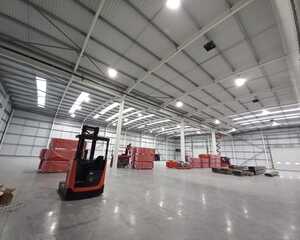
A sensible first step is to review your energy bills and get a clearer picture of usage patterns across the year. You do not need perfect data to begin, but you do need enough information to spot the basics, such as when your usage rises, whether your opening hours match your consumption, and whether certain sites or departments stand out.
Lighting often shows up as “always on” load. Corridors, stairwells, open warehouse space, external areas and shared workspaces can run for long stretches without anyone asking questions, because the system was installed years ago and the business has adapted around it. Once you put a figure against that, it becomes easier to justify the work needed to improve it.
Walk through the building with fresh eyes
Before any survey takes place, spend a short amount of time walking the areas you manage and take notes on the issues people have simply learned to live with. Look for sections that feel dim, sections that feel harsh or glaring, and sections where light quality changes from one part of the building to another. Pay attention to emergency routes, loading bays, inspection points and any areas where staff need consistent visibility for safety or quality control.
This is an integral step as it helps you define what “better” looks like in your building. The end goal is lighting that supports safe work, clear visibility, and comfortable conditions, delivered efficiently.
Decide where smart controls belong
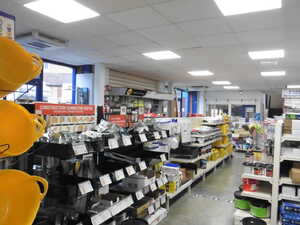
The most significant lighting waste often comes from lighting running when it is not required. This is where controls make a measurable difference, particularly in spaces with variable occupancy or strong daylight from skylights and windows.
Microwave sensor lighting is designed to detect movement across a wide area rather than relying on narrow beams. In practical terms, that means lights can switch on promptly when someone enters a space and switch off or dim when the area is vacant, with settings designed with your environment in mind. Where buildings benefit from daylight through rooflights or large glazed sections, daylight response can keep fittings off when natural light is sufficient, reducing run hours and energy use without reducing safety.
Controls need to be used thoughtfully. In production environments, staff need consistent illumination, and sudden switch-offs can cause disruption. That is why settings such as sensitivity, hold time, and dimming behaviour are crucial. The right setup balances energy reduction with predictable lighting in real working conditions.
Plan the commercial case properly
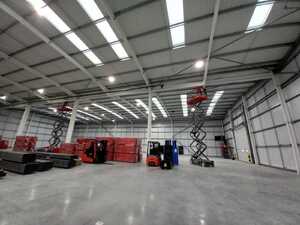
Lighting is often the biggest constant load for a business operation, sometimes as much as 70% of the energy bill. Good planning of new LED lighting and smart sensor lights can make very significant savings on your bottom line. Even heavy engineering industries can reap a significant reduction in energy use.
There are also savings to be made on maintenance costs. Older systems fail frequently, degrade in output as they age, and require ongoing labour to keep light levels acceptable. A well-specified LED system with long-life components reduces disruption from failures, cuts the time spent sourcing replacements, and supports more predictable running costs.
There is also a workplace benefit that often gets missed in financial discussions. Consistent lighting reduces shadowing, improves visibility, and can make workspaces feel cleaner and safer. Efficient retail lighting also improves presentation. These improvements are easier to achieve when the system is designed and commissioned properly.
Explore funding and tax relief routes without guesswork
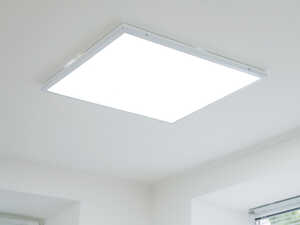
The start of the year is often when businesses plan capital spend, review finance options, and decide which projects are realistic within budget. Lighting upgrades can often sit within equipment finance arrangements, allowing costs to be spread while the savings begin immediately. Some organisations may also qualify for sector-specific support such as grants or interest-free funding, particularly in public sector and education environments.
Tax relief also plays a role for many businesses; capital allowances can allow qualifying plant and machinery costs to be deducted against taxable profits, depending on the rules that apply to your organisation and the timing of the purchase. The details differ based on your business structure, your accounting period, and the type of equipment, so it is sensible to discuss the approach with your accountant while you are planning the project.
Make this the month you upgrade your lighting plan
A lighting project goes smoothly when it starts early. Surveys, design work, internal approvals, and installation planning all take time, and they are much easier to manage when you are not forced into rushed decisions by failing fittings or a sudden compliance concern.
If you want lower bills and a more reliable lighting environment in 2026, the practical next step is a survey and a specification built around your building’s real needs. Once you have that report in hand, you can make decisions with confidence and move into the year with a smart, sustainable, and workable lighting plan.
Posted on February 9th 2026


 Updating page...