

Cheap LED fittings look tempting when you are trying to reduce overheads quickly. In commercial buildings, lighting is often on for long hours, and failures create real disruption.
The price on the box, however, is only one part of the cost. Once you include energy use, call-out fees, access equipment, downtime and repeated replacements, low-quality lighting can quickly become an expensive option.
Commercial lighting needs to cope with commercial running hours
Domestic style products are rarely designed for the operating patterns of warehouses, workshops, retail, educationand healthcare. In such environments, lights can run for extended shifts, seven days a week, and sometimes around the clock.
A short warranty paired with a modest stated lifespan does not align with that reality. For commercial premises, longevity and a meaningful warranty provide the reliability you need for planning and budgeting.
Labour and disruption can outweigh the cost of the fitting
Replacing a failed fitting in a storeroom is one thing. Replacing a failed fitting above racking, over machinery, above a production line, or in a high bay roof space is quite another.
Access can require a scissor lift or cherry picker, work areas may need to be isolated, and operations may need to pause for safety. Ongoing practical costs repeat every time a light fails early, and a cheap unit that needs replacing after a short period can cost more than a higher quality alternative that performs reliably for years.
Lumen depreciation quietly erodes performance
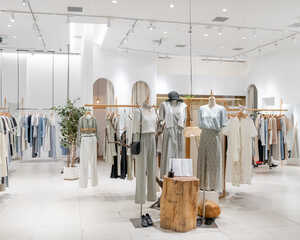
One of the most frustrating problems with poor value lighting is that it can keep working while delivering less light. Light output can fall away long before a full failure, leaving darker aisles, inconsistent brightness across work areas, and more shadowing in critical spaces.
Teams often respond by leaving more lights on, adding extra fittings, or accepting poorer visibility. All three increase cost and risk. Good commercial lighting should maintain stable output so that LUX levels remain where they need to, particularly in environments where visibility links directly to safety and quality control.
Efficiency and light delivered
Many buyers compare LED fittings by wattage and assume the job is done. In practice, two fittings can draw similar power but deliver very different usable light, distribution and comfort.
Higher efficiency in lumens per watt can allow a redesign that uses fewer fittings while still achieving target LUX levels. That reduces energy use and can also reduce installation time and future maintenance exposure, because there are fewer units to service.
Compliance and procurement matter in the long run
For many organisations, procurement policies, audits, and finance decisions require evidence that products meet recognised standards for safety and energy performance.
Here at LEDlights4you, we understand the importance of ETL-compliant products and sourcing direct from manufacturers with recognised certification. It’s a practical benefit that values confidence in performance, durability and traceability. It can also affect whether a project supports wider internal reporting on energy and carbon reduction. If you are considering any tax treatment or allowances linked to energy-saving equipment, it is sensible to confirm current eligibility with your accountant as part of the decision.
Smart controls change the economics of a lighting upgrade
In many commercial buildings, the biggest waste comes from lighting that stays on when areas are empty, or when skylights and windows already provide enough ambient light.
LEDlights4you specialises in smart lighting systems that use integrated microwave sensor control, including occupancy response and daylight harvesting. Microwave sensors scan a wider area than many PIR setups and can detect small movements, which helps lights respond when they are genuinely needed. This type of control reduces wasted hours and can materially improve the return on investment for an upgrade.
A practical way to judge value before you buy
A sensible purchasing decision starts with your operational reality. Consider the hours your lights run, the difficulty of access for future maintenance, and the LUX levels you need for the task.
Then look for a commercial-grade lifespan and warranty, evidence of compliance with relevant standards, and comfort features that matter for people working under the lights, such as low glare and flicker control. If the proposal includes smart controls, check that the control strategy matches your space, as settings and placement matter as much as the sensor itself.
A better outcome starts with a proper survey and design
Lighting upgrades deliver the strongest results when the layout is designed around LUX and use patterns, not a one-for-one swap of old fittings. LEDlights4you offers a free lighting survey process that records existing fittings, energy use, maintenance issues and LUX levels, then uses that information to produce a report outlining potential savings and improvements.
If you want to discuss a commercial lighting upgrade, please do get in touch to arrange a survey, and we’ll provide recommendations designed with your premises and business needs in mind.
Posted by Paul on December 18th 2025


 Updating page...