
A successful LED lighting project begins with assessing the building's existing lighting requirements in context, including the type of work carried out in the space, the hours of operation, the condition of the current fittings, and the quality of light delivered to the areas that matter most.
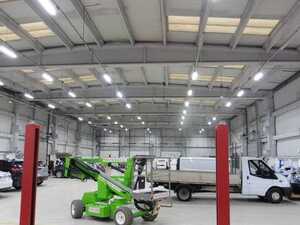
LEDLights4You begins the process with a site survey, in which the team records the existing lighting, reviews current energy use and maintenance costs, and takes lux readings in key areas.
While a business may have lights that are technically still working, the usable light level on desks, shop floors, racking aisles, or workstations could already be well below what is needed.
The professional lighting survey stage is also when many hidden issues are revealed. Old fluorescent or metal halide fittings may contribute to higher energy bills, but they can also cause poor visibility, uneven light distribution, glare, colour problems, or maintenance issues. A thorough survey makes those problems measurable and provides the project with a solid starting point.
Use the survey to shape the right design
Once the existing installation has been reviewed, the next step is the design and proposal stage. LEDLights4You uses the information gathered on-site to create a multi-page report detailing the savings and improvements that may be achievable. This stage is where the project moves from a general intention to a practical plan.
A good design should identify the most suitable fittings, the best layout for the space and the likely energy and cost savings from the upgrade. It should also address how the space is actually used. A warehouse, showroom, office, school and workshop all require different lighting responses. In short, light levels, fitting types, colour temperature and controls all must reflect the specific environment.
For larger organisations or more complex projects, further documentation may also be required. LEDLights4You offers additional detailed services such as carbon reduction calculations, lighting plans, DiaLUX modelling, work plans and RAMS. Such documents can be valuable for businesses that need stronger internal approval, formal health and safety planning, or clearer technical information before work begins.

Build the business case properly
An LED project is easier to approve when the financial and operational case is clear. The design stage should set out what the business is likely to gain from the installation, including reduced energy use, lower maintenance requirements, and a higher-quality working environment. In many commercial settings, lighting is a major share of total electricity consumption, so improvements here can make a noticeable difference.
LEDLights4You also highlights finance and tax-related support, including business equipment finance and capital allowance guidance for qualifying products. That can help businesses plan the project more confidently, especially when they are trying to improve efficiency without placing unnecessary pressure on capital budgets.
There is also a practical value in certainty. A detailed proposal should explain what is being installed, why those fittings have been chosen, how the lighting will perform, what standards the work will meet, and, importantly, help decision-makers compare value.

Plan the installation around the business
Installation planning is what turns a strong proposal into a smooth-running project. Commercial lighting upgrades often take place in live working environments, so timing, access and sequencing should all be chief concerns. LEDLights4You makes it clear that installation should be organised to minimise disruption, and, in some cases, work can be carried out over lunch breaks, out of hours, or in carefully managed sections.
This is also where compliance becomes especially important. Any changes or additions to circuitry must be handled by qualified electricians working to NICEIC standards. For high-level access, powered access equipment such as cherry pickers and scissor lifts is used, with IPAF-certified personnel operating that equipment. The health and safety side is further supported through CHAS compliance, risk assessments, and daily briefings to ensure work is carried out safely around staff, machinery, and operations.
The best installation plans are realistic and site-specific. A warehouse may need zones isolated while work is completed above active areas. An office may need a phased approach to protect day-to-day operations. A school or medical environment may need installation timed to coincide with occupancy or service delivery. Careful planning helps maintain safety, keeps the project moving and reduces avoidable disruption.
Complete the project with proper testing and handover
The LED lighting installation is only complete when the new system has been tested, checked, and properly handed over. LEDLights4You ensures that all lights and sensors are tested on completion, with instructions given to relevant staff members. This stage is essential because a lighting project should deliver the performance promised in the design.
Testing confirms that the system is operating correctly, that sensors respond as intended and that any emergency lighting elements are functioning in line with requirements. It also ensures that any electrical work has been appropriately signed off. On handover, the business receives completion documentation and any necessary electrical certificates, along with the specification for the installed products and details of the guarantees provided.
For the client, this crucial stage provides confidence that the project has been completed to standard. It also gives facilities teams or managers the information they need to operate and maintain the new system properly.
Make aftercare part of the project from day one
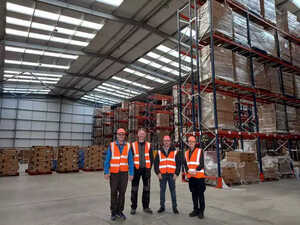
A successful LED lighting project should continue to deliver value long after the installers have left the site. That is where aftercare plays a key role. LEDLights4You provides advice to relevant staff after installation, with many fittings designed to be straightforward to handle in the future, including plug-and-play elements that can be safely unplugged if a unit ever needs to be replaced or cleaned.
Warranties are a crucial aspect of the post-installation process, and individual product guarantees, along with one-year labour warranties, give clients peace of mind and confidence. Quality commercial-grade LEDs are built for long life, so ongoing maintenance should be minimal compared to older systems, but it remains helpful to know what support is available if an issue occurs.
Aftercare also involves performance over time. A well-designed LED installation should continue to provide energy savings, high lux levels, and reliable operation for years, as long as the original design, installation, and product quality were correct from the start.
A structured process leads to better results
Businesses often delay lighting projects because they assume the process will be disruptive, hard to manage, or fraught with technical uncertainty. A structured approach removes much of that risk. Survey first, design properly, plan around the site, install safely, test thoroughly and support the system after completion. That sequence helps the project stay clear from start to finish.
The right process can reduce waste, improve visibility, strengthen compliance and make the working environment more effective. With a professional survey, a well-considered design and qualified installation, an LED upgrade can be a straightforward project with lasting benefits for the business.
Posted on April 21st 2026


 Updating page...