
High-quality commercial LED lighting delivers years of dependable, energy-efficient service. With lifespans topping 50,000 - 100,00 hours, modern fittings dramatically reduce routine maintenance. Despite the extended longevity and performance, every installation still requires planned care and regular inspections to operate at its best.
Dust, heat, damaged components and changing building layouts can gradually affect functionality. A maintenance plan helps preserve light output, keeps sensors responsive and shows facilities teams when fittings require attention.
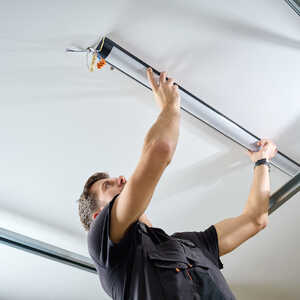
Keep fittings clean
Airborne particles and dirt can collect on LED panels, battens, high bays and lenses, reducing the useful light reaching the working area. In warehouses, workshops and manufacturing environments, dust may quickly build up due to vehicle movement or production processes.
Importantly, cleaning schedules should reflect internal environmental conditions; while clean offices require only occasional attention, industrial spaces demand more frequent checks. Always clean fittings using manufacturer-recommended methods and isolate the power supply before starting.
High-level fittings require suitable access equipment and trained personnel. Scissor lifts, cherry pickers and other powered access equipment should only be used by people with the relevant competence and certification.
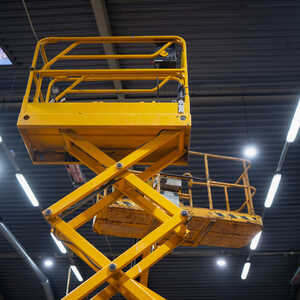
Check sensors and controls
Smart LED lighting depends on sensors that accurately detect movement and ambient daylight. As such, dust on a sensor eye may reduce sensitivity, while stored goods, partitions or machinery can obstruct its detection area.
Facilities teams should periodically verify that occupancy sensors correctly activate lighting and that lights dim or switch off at the expected times. Daylight sensors should respond smoothly as natural light levels change.
A sensor may still function less effectively because the surrounding layout has changed. Repositioning or recalibration can restore performance and prevent lights remaining on unnecessarily.
Inspect emergency lighting and backup batteries
Emergency lighting requires particular attention because it must operate reliably during a power failure. Routine functional checks confirm that fittings activate when the normal supply is interrupted, while full-duration testing assesses whether backup batteries can support the system for the required period.
Self-testing emergency lights automate scheduled checks and flag faults instantly via visual indicators. While they simplify compliance, regular monitoring is still required to ensure all reported issues are investigated promptly.
An annual inspection provides a useful opportunity to review emergency fittings, batteries, exit signs and test records. Batteries have a limited service life and may need replacement before the LED fitting reaches the end of its useful operation. Accurate records help facilities teams identify recurring faults and plan maintenance before reliability is affected.

Create a lighting asset register
A basic record of the installation can make long-term maintenance far easier. The register should identify the type and location of each fitting, installation date, product reference, warranty period and previous repairs or replacements.
Such information helps the facilities team confirm whether a fault may be covered by a manufacturer’s warranty and prevents unsuitable replacements being installed.
For larger buildings, the register can be linked to lighting plans or divided into zones. Notes on drivers, sensors, emergency batteries and control settings provide useful context for future inspections. The record should be updated whenever changes are made.
Look for early signs of deterioration
LEDs usually lose light output gradually. A fitting may continue operating while producing less useful illumination than it did when installed. Product lifespan ratings often indicate the point at which output has fallen to a specified percentage of its original level.
Visual checks can identify uneven brightness, colour changes, flicker or delayed start-up; symptoms that may indicate a driver issue, electrical fault or component deterioration. In areas where accurate light levels support safety or detailed work, periodic lux readings can confirm that the installation continues to meet its intended performance.
Heat can also shorten component life. Excessive ambient temperatures, blocked ventilation and heavy dust deposits place additional strain on LED drivers. Cold stores, hot production areas, damp locations and outdoor spaces require fittings with suitable temperature and ingress protection ratings. Persistent overheating or repeated driver failure should be reviewed by a qualified electrician or lighting engineer.

Plan for eventual replacement
The idea that LEDs never need replacing can create challenges for long-term facilities planning. High-quality commercial LEDs can operate for a decade or longer, depending on their rated life and daily usage, but output will eventually decline, and components may fail.
An asset register and routine inspections allow replacements to be planned on a rolling basis. Businesses can group work by area, coordinate it with other maintenance and budget for upgrades before lighting performance drops below an acceptable level.
Technology, of course, develops over time. A planned lighting review may identify opportunities to reduce the number of fittings, improve lumens per watt or introduce occupancy and daylight controls. Replacing older LEDs with current, properly specified products can improve lighting quality and energy performance.
Build maintenance into the original design
A maintainable installation requires a foundation of good design. Fittings should be selected for their environment, positioned with future access in mind and supported by clear product and warranty documentation. Sensors should be placed where they can operate accurately without being easily obstructed.
LEDLights4You provides commercial lighting surveys, system design, professional lighting installation and aftercare advice. Each project can include specifications, lighting plans, control settings and the documentation needed to manage the installation over its working life.
To review the condition and performance of your current lighting, speak to LEDLights4You today.
Posted on July 30th 2026


 Updating page...