
Retail lighting directly influences the atmosphere of a space, how products are perceived, and how long customers feel comfortable staying in a store. While helping to create ambience, it also serves a practical purpose. Shoppers need to read labels clearly, compare colours accurately, and move smoothly through the area without dark corners or uneven visibility.
In a showroom, lighting helps customers assess finish, texture, and quality. In a shop, it supports displays, navigation, and confidence at the point of purchase.
For many retailers, lighting also represents one of the largest daily expenses. Shops, supermarkets, and showrooms often operate long hours, with lights in use from early morning until late evening.
Older halogen, fluorescent, and metal-halide fittings can be costly to run, produce excess heat, and often require frequent lamp replacements.
LED lighting installations offers retailers a way to reduce operating costs, enjoy more reliable performance, and create a more appealing environment for both customers and staff.
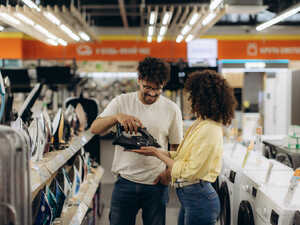
Start with the customer view of the space
A strong retail lighting set-up begins with the customer experience. People form impressions quickly, and the quality of light affects how welcoming, modern and professional a premises appears. A dim or yellowing sales floor can make stock look tired; harsh glare can make a showroom uncomfortable. Inconsistent lighting, meanwhile, can leave one part of the shop looking inviting and another feeling neglected.
The goal is a space that feels bright, clean and easy to shop in. That means using the right level of light in the right places, with a layout that supports how customers move through the building. Entrance areas should feel open and clear, display zones should attract attention, key product areas should be easy to examine closely, and circulation routes should remain evenly lit so the whole premises feels coherent.
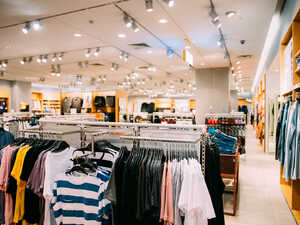
Get colour temperature right
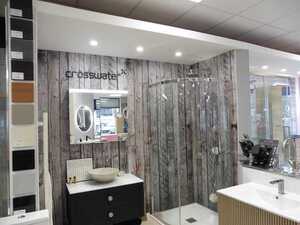
Colour temperature plays a big part in product presentation. Here at LEDLights4You, we recommend natural white in the 4000K to 5000K range for retail and showroom lighting, especially in settings where colour matching is desired. This is of particular importance in furniture, flooring, bathroom, tile, and carpet, as well as trade showroom environments, where customers need to judge tone, finish, and material accurately.
Older fluorescent lighting often shifts towards a yellow tint as it ages, which can distort the appearance of products and make accurate colour matching difficult. A customer looking at carpet, paint, sanitaryware or display materials needs confidence that the colour they see in store is close to the colour they will live with later. Clean, consistent LED light helps remove uncertainty from those decisions.
The choice of colour temperature should also reflect the character of the retail space. A practical trade counter or supermarket may benefit from a crisp, natural white approach. A more design-led showroom may use slightly softer tones in selected areas while still keeping product presentation accurate. The important point is consistency and suitability for the products on display.
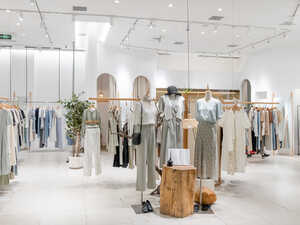
Aim for the right light levels
Retail lighting should make products easy to see without causing glare or visual fatigue. Convenience stores and supermarkets often require around 500 lux to achieve strong visibility and good product presentation. The level of illumination helps merchandise appear vibrant and legible, especially in busy display areas where customers quickly scan shelves and signage.
Not every retail area needs the same treatment, but the principle remains the same. Customers should be able to assess products comfortably and clearly. Inadequate lighting can make a store feel uninviting and can reduce confidence in the quality of the stock.
Excessively bright lighting can feel clinical and unpleasant, particularly if glare reflects off glossy packaging, counters, or display surfaces.
This is why lighting design is crucial. A one-for-one replacement of old fittings is not always the right answer. Modern LEDs often deliver better spread and higher output than the fittings they replace, so redesigning the layout can improve the overall result while reducing the number of fittings required.
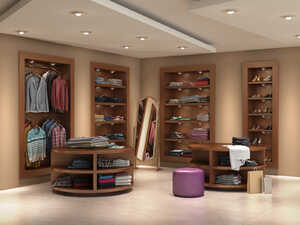
Combine ambient lighting with focused display lighting
Good retail lighting uses layers. Ambient lighting provides the base level of illumination across the store or showroom. It should keep the space evenly lit, easy to navigate and visually comfortable. Focused display lighting then emphasises key products, feature areas, or promotional displays.
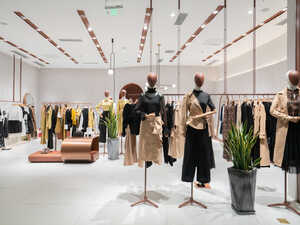
This approach works particularly well in showrooms. A general layer of LED panels or battens can keep the whole environment bright and professional, while more directional lighting can highlight display bays, hero products, or feature walls. In a retail setting, lighting can be used to support seasonal displays, point customers towards high-margin products or give stronger definition to window displays and promotional zones.
The key is balance. If the overall lighting is too flat, the space can feel bland. If the contrast is too aggressive, the store can become uncomfortable and hard to read. A well-designed LED scheme brings clarity, focus and a stronger sense of quality to the sales floor.
Reduce running costs without compromising presentation
Retailers often feel forced to choose between appearance and efficiency. A well-specified LED system gives both. Shops and showrooms usually operate for long hours, so inefficient lighting directly impacts electricity bills. Traditional lighting systems can also emit excess heat, increasing the load on cooling systems and making the environment less comfortable during warmer periods.
LED lighting significantly reduces energy consumption compared with halogen, fluorescent, and metal-halide systems, while commercial-grade LEDs offer the durability and lifespan required for business use.
In practical terms, that means fewer failures, less disruption and less time spent organising replacements. This is especially valuable in premises with high ceilings, difficult access points or displays that are awkward to disturb.
Use smart controls where they make sense
Not every area of a retail building needs the same control strategy. The main shop floor may need steady, reliable illumination during trading hours, but stockrooms, back-of-house areas, corridors, toilets and service spaces often benefit from more intelligent control.
Microwave sensors can automatically switch lights on when areas are occupied and reduce waste when they are empty. This is particularly useful in storerooms, loading areas, and staff-only spaces used intermittently throughout the day. Timers and programmed controls can also support after-hours security lighting and external lighting without leaving systems running unnecessarily.
Microwave sensor technology responds quickly and performs well in daylight under suitable conditions. In retail premises with rear access, yard spaces or warehouse-style storage areas, that can add a further layer of efficiency.
Plan lighting as part of the sales environment
Retail lighting works best when treated as part of the building's commercial strategy. It influences comfort, visibility, presentation and perception of quality all at once.
For retailers planning an upgrade, the sensible starting point is a professional survey. That gives you a clearer picture of your current lighting performance, where energy is being wasted and where the customer experience could be improved.
With the right design, LED lighting can sharpen the visual impact of your store, lower energy and maintenance costs, and create a cleaner, brighter environment that supports day-to-day sales.
Posted on April 21st 2026


 Updating page...